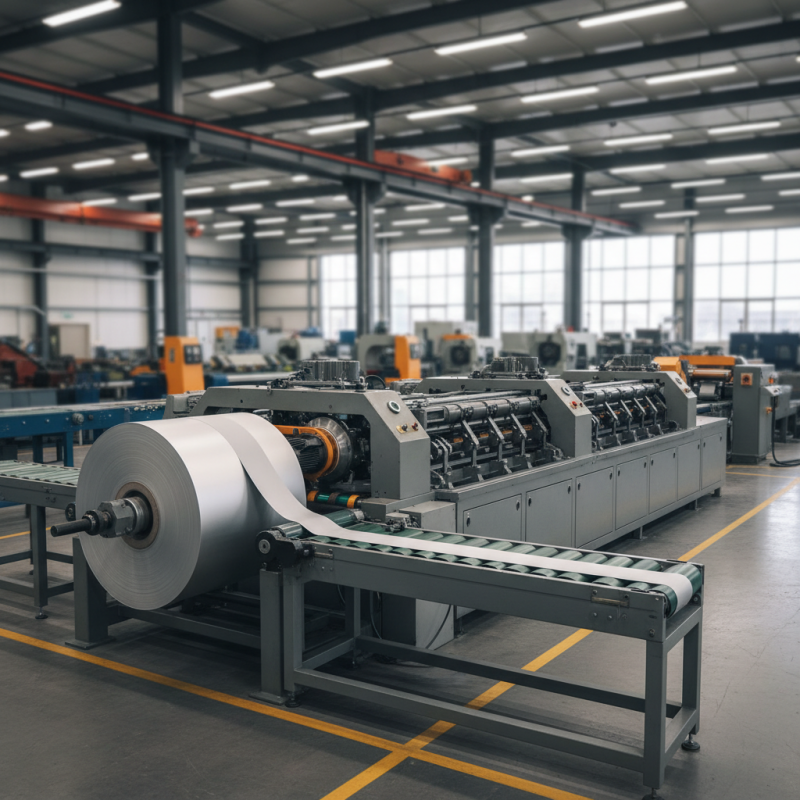
How to Choose the Best Slitter Cutter Machine for Your Needs?
Choosing the right Slitter Cutter Machine is crucial for efficient production. It can significantly impact your manufacturing process. With various options available, making the best decision can feel overwhelming.
You must consider key factors like material type and thickness. A suitable machine should match your specific needs. Is speed a priority? Or perhaps precision is more important for your work? These questions guide your choice.
Quality matters. Not all machines are built the same. Some might not meet your expectations. Research and testing can reveal hidden flaws. Ultimately, investing time in understanding your options leads to better outcomes. Selecting the right Slitter Cutter Machine is an important step that deserves careful attention.
Understanding the Types of Slitter Cutter Machines Available Today
When selecting a slitter cutter machine, understanding the different types available plays a crucial role. There are mainly two categories: rotary and flatbed slitter cutters. Rotary slitter cutters are ideal for high-speed operations. They excel in materials like paper and plastic films. The continuous cutting action ensures clean edges, and they are generally easy to maintain.
On the other hand, flatbed slitter cutters offer versatility. They handle thicker materials, such as cardboard and heavy films. Their design allows for precision cuts at various angles. However, they require more setup time and might not be as efficient for high-volume production. Users often debate between speed and precision. This decision can impact overall productivity.
Another factor to consider is the operational complexity. Some machines come with advanced features, but they have a steeper learning curve. New operators may struggle with these models at first. It might lead to wasted time and materials. Balancing features and user-friendliness is crucial. Carefully evaluate your specific needs to choose the right model.
Key Specifications to Consider When Selecting a Slitter Cutter Machine
When selecting a slitter cutter machine, understanding key specifications is crucial. Pay attention to the cutting width. This dimension affects the types of materials you can process. Some machines work best with narrow widths, while others handle wider rolls efficiently. The cutting speed is another important factor. A machine that operates quickly can increase productivity but may impact precision. Balance is key.
Next, consider the blade types and material. Different materials require specific blades for optimal results. High-speed steel blades last longer but may not be suitable for all applications. Adjustable cutting depths also enhance versatility. Be cautious with machines claiming extensive cutting thickness. Sometimes, these claims fall short in practice. User feedback can help identify potential issues.
Lastly, evaluate the machine’s ease of use. Complex controls can lead to operational errors. Look for features like digital displays or user-friendly interfaces. Maintenance requirements shouldn't be overlooked, either. Machines needing frequent upkeep can disrupt workflow. Prioritize specifications that align with your specific needs. Make informed choices to ensure your investment pays off.
Evaluating the Performance Metrics: Speed, Precision, and Efficiency
Selecting the right slitter cutter machine involves careful consideration of performance metrics. Speed is a crucial factor. Many industry reports indicate that high-speed machines can cut materials at rates exceeding 700 meters per minute. Yet, it’s important to note that speed should not compromise precision.
Precision is vital in slitting operations. Studies suggest that even a slight deviation can lead to significant waste. Ideally, a machine should achieve dimensional tolerances within 0.1 mm. However, achieving this level of accuracy requires regular calibration and maintenance. Some users often overlook this aspect, leading to inconsistencies in production quality.
Efficiency is another critical metric. Machines with automated features can reduce labor costs. Data shows that fully automated systems can improve production efficiency by up to 30%. Yet, there's a limit. Over-reliance on automation can raise maintenance costs and reduce flexibility. Balancing these factors is essential for optimizing production workflows. Consider your specific needs carefully, to ensure you choose the best machine.
Analyzing Cost vs. Value: Budgeting for Your Slitter Cutter Needs
When analyzing cost versus value for slitter cutter machines, several factors come into play. A well-researched budget is essential. According to industry reports, the average slitter cutter costs between $10,000 and $50,000. This price range covers various features and functionalities. Higher-end models may boost production efficiency, but only if the increased output justifies their cost.
Tip: Always assess production volume. If your output is low, a more affordable model might suffice. It is crucial to evaluate the long-term return on investment (ROI). A study highlights that machines with better durability can lower replacement costs over time. The focus should be on features that align most closely with your needs.
Remember, not all expensive machines deliver better results. Sometimes, they come with unnecessary features. Make sure to weigh your specific requirements against potential costs. This exercise can save resources and streamline workflows. Tools that are too complex may lead to user frustration. Prioritize machines that offer ease of use without compromising on quality. Always anticipate needed adjustments or upgrades as your production needs evolve.
Maintenance and Support: Ensuring Longevity for Your Equipment Investment
Maintenance is crucial for any slitter cutter machine. Regular servicing can extend the life of your equipment. Simple tasks, like cleaning and lubricating parts, shouldn’t be overlooked. A buildup of dust or debris can lead to significant damage. Even small issues can escalate if not addressed promptly. Establish a routine maintenance schedule that includes checking blade conditions and alignment.
Support is equally important. Ensure that you have access to knowledgeable technicians for guidance. They can provide insights on optimal usage and troubleshooting techniques. It's common for operators to ignore warning signs. Timely assistance can often prevent costly repairs. Investing in a service plan could save money in the long run. Document any maintenance performed to track patterns and needs. Regular check-ins can also highlight potential issues before they become serious problems.