How to Choose the Best Restroom Stall Walls for Your Needs
Choosing the right Restroom Stall Walls can significantly affect user experience. Many factors influence this decision. Material, durability, and aesthetics all play a critical role. The ideal choice should balance privacy and safety.
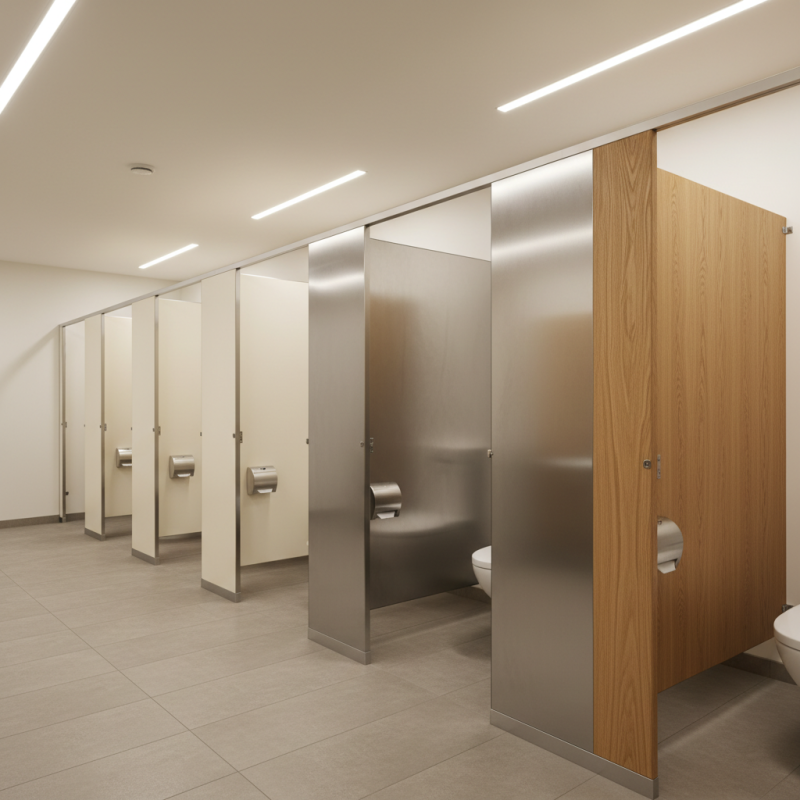
Consider the various materials available. For example, plastic laminate is popular for its affordability and ease of cleaning. Metal options are durable but may be less aesthetically pleasing. Wooden stalls offer warmth but require more maintenance. Each option has its pros and cons.
Reflect on your specific needs. If high traffic is expected, durability should be a major factor. In contrast, if appearance is paramount, select materials that are visually appealing. Assess your budget carefully. Investing in better restroom stall walls often pays off in the long run, if you make the right choice.
Types of Restroom Stall Walls and Their Features
When selecting restroom stall walls, understanding the types available is crucial. There are several categories, each with unique features. Metal stalls are durable and resistant to vandalism. They can withstand humid environments, making them ideal for high-traffic areas. However, they can be noisy. Plastic laminate stalls offer aesthetic variety and are easier to clean. Yet, they may not hold up in extreme conditions.
Another option is phenolic stalls. They are resistant to moisture and scratches. These stalls offer a clean look and can last for years. However, the initial cost can be higher. According to a recent industry report, phenolic stalls can reduce overall lifetime maintenance costs by up to 30%. This is a significant factor for many facility managers.
Wooden stalls bring warmth to a restroom but require more maintenance. They might suffer from warping in damp environments. In fact, a survey found that 25% of facilities reported issues with wooden stalls. Choosing the right type of stall can impact user experience significantly. Up to 55% of restroom users value privacy, influenced by wall material. It is essential to weigh aesthetics, functionality, and maintenance. Each choice has pros and cons.
Types of Restroom Stall Walls and Their Features
Materials Used for Restroom Stall Construction: Pros and Cons
When selecting restroom stall walls, the material is crucial. Different materials come with unique pros and cons. For instance, plastic laminate is popular for its affordability. It resists moisture and is easy to clean. However, it can scratch easily and may not hold up well in high-traffic areas.
Another option is stainless steel. It looks sleek and modern. It's incredibly durable and resistant to damage. But, it can dent with heavy impact. Also, fingerprints and stains are more visible on its surface. Balancing aesthetics and functionality is often challenging.
Consider solid plastic as a third option. It is strong and moisture-resistant. This choice provides privacy and a sturdy feel. Yet, it is heavier and often more expensive. As you weigh these options, reflect on your specific needs. Each material has its trade-offs, and the right choice relies on your space's demands.
Factors to Consider When Choosing Restroom Stall Walls
Choosing restroom stall walls can be daunting. Start by considering material. Options range from plastic to laminate. Each has pros and cons. Plastic walls are durable and easy to clean. However, they may not offer the aesthetic appeal that some facilities desire. Laminate, while visually pleasing, can be prone to damage in high-traffic areas. Practicality and appearance should go hand in hand.
Next, think about privacy. The design of restroom stall walls plays a crucial role. Taller dividers can enhance user comfort. Also, consider gaps between doors and walls. Small gaps can lead to discomfort. A seamless fit is often ideal but hard to achieve. You might find yourself torn between a sleek design and robust functionality.
Finally, cost is a significant factor. Budget constraints can limit choices. However, investing in quality materials can lead to long-term savings. Cheaper options may require frequent replacements. Reflect on your priorities. Finding the right balance is crucial. Your choice can impact user experience greatly. Make sure to assess all aspects carefully.
Cost Implications of Different Restroom Stall Wall Options
Choosing restroom stall wall materials involves understanding cost implications. Various materials, such as plastic, laminate, and metal, vary significantly in price. According to a 2022 industry report, the cost of plastic stall walls averages around $1,200 per stall, while metal options range from $1,500 to $2,500.
Consider durability when weighing costs. Plastic may seem cheaper upfront, but its lifespan averages only five years. In contrast, metal wall systems often last over a decade. Ultimately, initial savings can lead to higher replacement costs, making careful selection crucial.
Installation expenses also play a role. Hiring a skilled contractor adds labor costs, which can increase your total investment. Estimations suggest labor can account for 30% to 50% of the overall project cost. Assessing these factors is essential to align financial decisions with long-term needs. Before finalizing a choice, reflect on budget constraints and expected usage levels. This contemplation can prevent costly mistakes and ensure the right fit for your restroom project.
How to Choose the Best Restroom Stall Walls for Your Needs - Cost Implications of Different Restroom Stall Wall Options
| Wall Material | Cost per Stall | Durability (Years) | Maintenance Requirements | Water Resistance | Privacy Rating |
| Plastic Laminate | $400 | 10-15 | Low | Good | Medium |
| Stainless Steel | $600 | 15-20 | Very Low | Excellent | High |
| Solid Plastic | $500 | 20-30 | Medium | Good | High |
| Fiberglass Reinforced Plastic | $700 | 20-25 | Low | Excellent | Medium |
| Wood | $300 | 5-10 | High | Poor | Medium |
Maintenance and Durability: Ensuring Longevity of Your Stall Walls
When selecting restroom stall walls, durability plays a crucial role. The right material can significantly extend the lifespan of your installations. Many options exist, including plastic, metal, and wood. Each material has its unique strengths, but weaknesses do emerge. For instance, metal can rust, while wood may warp in humid environments.
Maintenance is key to longevity. Regular cleaning helps prevent buildup that can lead to damage. However, many overlook this simple step. Deep cleaning should be scheduled periodically. Replacing worn-out parts promptly can save costs in the long run. Keeping a maintenance log might seem cumbersome, but it provides valuable insights over time.
Aesthetic aspects matter too. Stall walls should blend well with the restroom's design. Yet, beauty must not compromise function. Some styles scratch easily, which detracts from the overall look. Balancing durability and visual appeal can be tricky. Find a compromise that works for your space, ensuring it meets both style and usability needs.