How to Choose the Right Orthopedic Implant for Your Surgery?
Choosing the right orthopedic implant is crucial for successful surgeries. Dr. Sarah Thompson, an orthopedic specialist, emphasizes, "The right implant makes all the difference in recovery." With numerous options available, patients often feel overwhelmed.
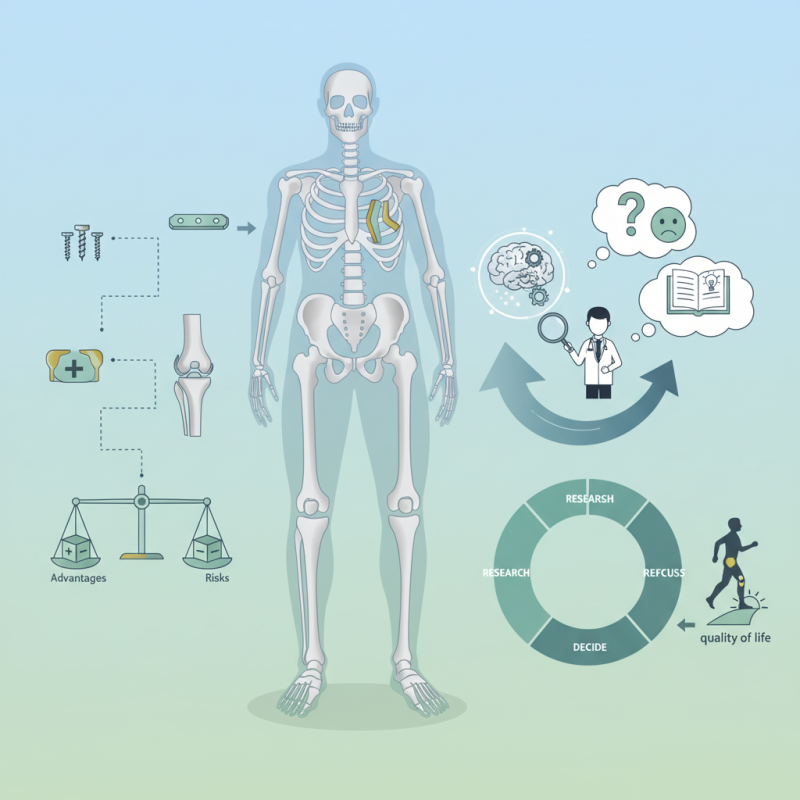
Different types of orthopedic implants serve various purposes. They can range from screws and plates to joint replacements. Each choice carries its own advantages and risks. It's essential for patients to understand these variables. Engaging in conversations with healthcare professionals can clarify options.
Yet, selecting an orthopedic implant is not without challenges. Some patients may struggle with their choices. They often rely solely on the surgeon’s recommendations. However, being an informed patient can lead to better outcomes. Ultimately, this decision can impact not just recovery but overall quality of life. Reflecting on personal needs and concerns is vital in this process.
Understanding Orthopedic Implants: Types and Uses
Orthopedic implants are crucial in surgeries. Understanding their types helps patients make informed decisions. There are several common types: joint replacements, plates, screws, and rods. Each type serves a specific purpose, accommodating different injuries and conditions.
Joint replacements are often used for severe arthritis. They can restore movement and reduce pain. Plates and screws stabilize broken bones. They hold fragments together during healing. Rods are typically used for spinal surgeries to provide support. Each implant has unique features; it's important to discuss these with a surgeon.
**Tips:** Always ask your doctor about the options available. Understanding the risks and benefits is vital. Don't hesitate to seek a second opinion. Consider your lifestyle when choosing an implant. Some require more recovery time than others. Remember, the right choice involves personal factors as well.
Orthopedic Implant Types and Their Uses
Factors to Consider When Choosing an Orthopedic Implant
Choosing the right orthopedic implant is crucial for a successful surgery. Several factors influence this decision. Biocompatibility is one of them. Implants must integrate well with the body. A recent study showed that over 10% of patients had allergic reactions to certain materials. This can complicate recovery.
Load-bearing capacity is another key consideration. Implants must withstand body weight and stresses. According to a report by the American Academy of Orthopedic Surgeons, nearly 20% of patients report pain due to inadequate implant strength. This emphasizes the need for thorough analysis when selecting an implant.
Surgeon experience plays a vital role too. Different surgeons may prefer varying materials and designs based on their practice. A survey revealed that about 30% of complications stem from mismatched surgeon and implant compatibility. Each case is unique, necessitating ongoing reflection on the best choices for individual patients.
The Role of Surgeon Experience in Implant Selection
Choosing the right orthopedic implant is crucial for successful surgery. A surgeon’s experience heavily influences this choice. Surgeons who have handled various cases tend to make more informed decisions. They understand different implants' nuances, strengths, and weaknesses.
Tips for selecting the right surgeon:
Look for their experience with the specific procedure and device types. Ask about their past outcomes and any complications. A surgeon who has faced challenges is more adept at addressing them.
Surgeons without enough experience may recommend implants based on familiarity, not suitability. This approach can lead to complications. It’s essential to engage in open discussions with your surgeon. Share your concerns and seek clarifications. A good surgeon will welcome your inquiries and provide detailed answers.
Consider seeking a second opinion if you feel unsure. A fresh perspective might illuminate options you hadn’t considered. Always prioritize your comfort and understanding. It’s your body and your surgery. Your insights are valuable.
The Importance of Material Composition in Implants
Choosing the right orthopedic implant involves understanding the material composition. Different materials provide various benefits. They affect the strength, durability, and compatibility of the implant. For example, metals like titanium and stainless steel are common choices. They are robust and can withstand significant stress.
Ceramics and polymers also play a role in implant design. Ceramics are often used in joint replacements due to their hardness. They resist wear but can be brittle under certain conditions. Polymers, on the other hand, offer flexibility. They can mimic natural tissue but may degrade over time.
One key aspect goes beyond the material itself. The body's reaction to the implant is crucial. Some individuals may have sensitivities to certain materials. This can lead to inflammation or other complications. Therefore, discussing potential reactions with your surgeon is essential. Material choices can be complex, and misconceptions may arise. Each option comes with its own set of pros and cons. Understanding these nuances helps ensure a more informed decision.
Post-Surgery Recovery and Implant Performance Considerations
Selecting the appropriate orthopedic implant is crucial, but recovery is just as vital. After surgery, the body needs time to heal. Patients often underestimate this necessity. An implant’s performance heavily relies on how well one follows post-surgery guidelines.
Pain management is essential during recovery. Effective pain control can significantly affect mobility. Limited movement might hinder the healing process. Gentle rehabilitation exercises can aid in regaining strength. Yet, pushing too hard too soon may cause setbacks. Listening to the body's signals is key.
Nutrition also plays a role. A balanced diet rich in vitamins can enhance healing. Protein is vital for tissue repair. Hydration is often overlooked. It is crucial for overall recovery. Consider the emotional aspect too. Support from family and friends fosters a positive healing environment. Awareness of these factors can greatly improve implant performance and recovery outcomes.
How to Choose the Right Orthopedic Implant for Your Surgery? - Post-Surgery Recovery and Implant Performance Considerations
| Implant Type | Material | Indications | Recovery Time (Weeks) | Performance Rating (1-5) |
| Intramedullary Nail | Titanium | Femur, Tibia Fractures | 12 | 4 |
| Plate and Screws | Stainless Steel | Fractures of Long Bones | 8 | 5 |
| Total Joint Replacement | Cobalt Chrome | Hip, Knee Arthritis | 16 | 5 |
| Screw Fixation | Polymer | Ligament Injuries | 10 | 3 |
| External Fixator | Aluminum | Complex Fractures | 14 | 4 |