What is an Electric Ball Valve and How Does It Work?
Electric Ball Valves are pivotal in various industries, providing precise control over fluid flow. According to industry expert Sarah Johnson, “Electric ball valves offer efficiency and reliability that mechanical valves cannot match.” They are equipped with an electric actuator, enabling remote operation and automation.
These valves contain a hollow ball that pivots to regulate flow. The design allows for minimal turbulence and reduced pressure drop. Electric ball valves enhance system performance, particularly in complex environments. Users often notice improvements in process automation and safety.
Despite their advantages, reliance on electric ball valves can pose challenges. Power outages can disrupt their function, leading to potential system failure. Users should consider backup solutions to prevent operational risks. Overall, while electric ball valves are beneficial, it is crucial to evaluate their drawbacks. Proper planning helps maximize their effectiveness in real-world applications.
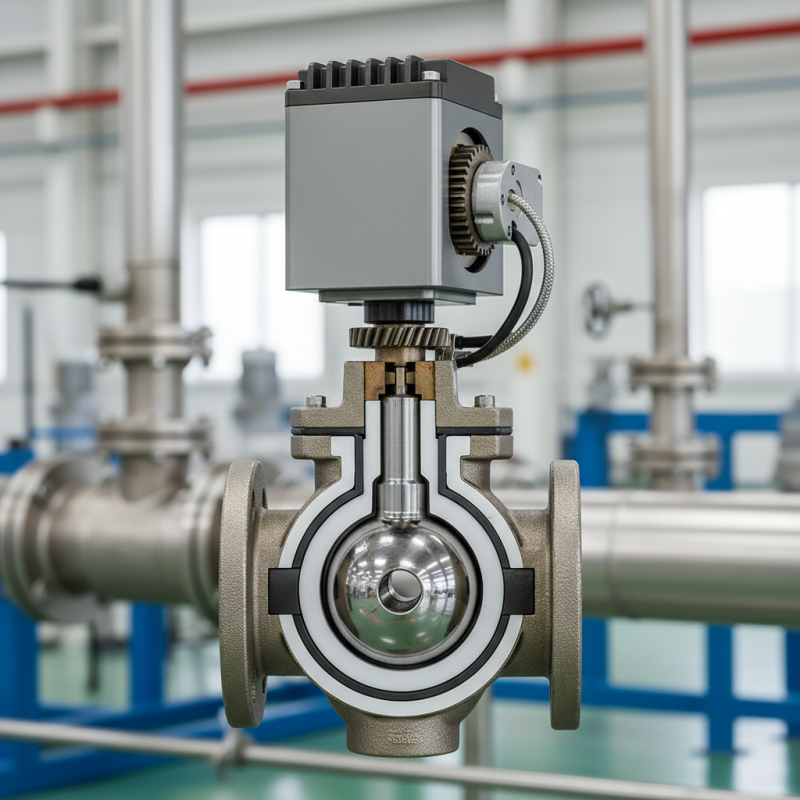
Understanding Electric Ball Valves: Definition and Purpose
Electric ball valves are essential components in various industrial applications. They control the flow of fluids or gases through piping systems with precision. The design of these valves allows for quick opening and closing, optimizing efficiency.
When considering electric ball valves, it's helpful to understand their purpose. They are utilized in water distribution, HVAC systems, and many other setups. The actuator provides the necessary power to manage the valve's function. Users enjoy benefits like remote control and automation, making processes smarter and faster.
Tips: Regular maintenance is crucial. Checking for wear and tear ensures peak performance. Also, evaluate the electrical connections periodically. Faulty connections can lead to operational issues. Understanding the installation environment is necessary for selecting the right valve type. Humidity and temperature can affect performance.
The Components of Electric Ball Valves: An Overview
Electric ball valves are crucial for controlling fluid flow. Understanding their components helps grasp their functionality. The body, usually made of brass or stainless steel, houses the main mechanism. This durable construction is essential for longevity and reliability.
The valve's core is the ball itself. It features a spherical design with a hole that aligns with the flow when opened. Motors or actuators power the ball's rotation. An electric signal controls this movement. A switch or controller sends signals to open or close the valve.
Gaskets and seals are vital for preventing leaks. They ensure that fluids do not escape during operation. While materials used can affect performance, choosing compatible options can be challenging. Despite advancements, some components may fail under extreme conditions. Each part plays a role, yet regular maintenance is essential. Challenges remain in ensuring all components work seamlessly together.
Performance Comparison of Electric Ball Valves
This chart illustrates the comparative performance of electric ball valves in various applications based on flow capacity and response time.
How Electric Ball Valves Operate: Mechanisms and Functionality
Electric ball valves are crucial in modern fluid control systems. They provide precise regulation in applications such as water treatment, HVAC, and industrial processes. The heart of an electric ball valve lies in its mechanism. The valve has a spherical disc with a hole through which fluid flows. An electric actuator rotates this disc, controlling the flow rate. According to a market report by Research and Markets, the global electric valve market is expected to grow by over 5% annually, highlighting their increasing importance.
The mechanism operates on a simple premise. When the actuator receives an electrical signal, it turns the ball. This opening or closing action can happen in seconds, allowing for quick adjustments in flow. In industrial settings, reliability is paramount. A report from Grand View Research indicates that maintenance can account for up to 30% of downtime in manufacturing environments. Therefore, regular inspection and calibration of electric ball valves are essential. Users must acknowledge that while the technology is reliable, issues can arise due to wear or electrical malfunction.
Electric ball valves offer both automation and efficiency. Yet, they require a certain level of understanding. Users need to ensure that the electrical connections are secure and that the valve is properly sized for the application. Over-sizing or under-sizing can lead to noise or cavitation. This insight points to the need for careful planning when integrating electric ball valves into any system.
Applications of Electric Ball Valves in Various Industries
Electric ball valves are increasingly popular across various industries for their efficiency and reliability. In the oil and gas sector, they enable precise flow control. Operators can quickly open or close valves, reducing downtime. This rapid response helps maintain safety and optimize production processes.
In water treatment plants, these valves play a crucial role. They regulate water flow, ensuring clean water reaches communities. Operators rely on their durability, especially in harsh environments. However, they must regularly check for wear and tear, as unexpected failures can lead to significant issues.
The food and beverage industry also benefits from electric ball valves. These valves help maintain hygiene standards during processing. Automatic control minimizes human error, but personnel must monitor the system. Over-reliance on automation can sometimes overlook subtle issues, highlighting the need for regular maintenance.
Benefits and Limitations of Using Electric Ball Valves in Systems
Electric ball valves are becoming popular in various industries. They provide precise control over fluid flow and offer automation benefits. One significant advantage is their quick response time. According to a report by a leading industry research firm, 40% of industries report improved system efficiency using electric ball valves.
However, there are limitations. These valves can be costly. Maintenance can also be tricky. Reports suggest that up to 20% of electric ball valve failures stem from improper installation or power supply issues. This raises questions about reliability in critical applications. Additionally, the temperature range for operation can be narrow, affecting their versatility.
Despite these challenges, many find the benefits outweigh the drawbacks. The accuracy of flow control is vital in many sectors, particularly in water and chemical processing. Embracing electric ball valves may involve risks, but the potential to enhance performance is undeniable.