What is a Sandblast Rubber Hose and How Does It Work?
In the world of industrial tools, the "Sandblast rubber hose" plays a vital role. Bob Johnson, a prominent expert in industrial materials, says, "Without the right hose, abrasive blasting can become a risky job." This statement highlights the importance of quality in equipment.
Sandblast rubber hoses are designed to handle heavy-duty tasks. They transport abrasive materials efficiently. Commonly used in construction and manufacturing, these hoses endure high pressures and extreme conditions. Their flexibility makes them suitable for various applications.
However, not all sandblast hoses are created equal. Some may wear down quickly or leak, leading to safety hazards. Regular inspection and maintenance are crucial. Users must consider factors like hose diameter and material quality. Quality differences can impact performance significantly. In the end, choosing the right sandblast rubber hose can mean the difference between success and failure in abrasive blasting jobs.
What is a Sandblast Rubber Hose?
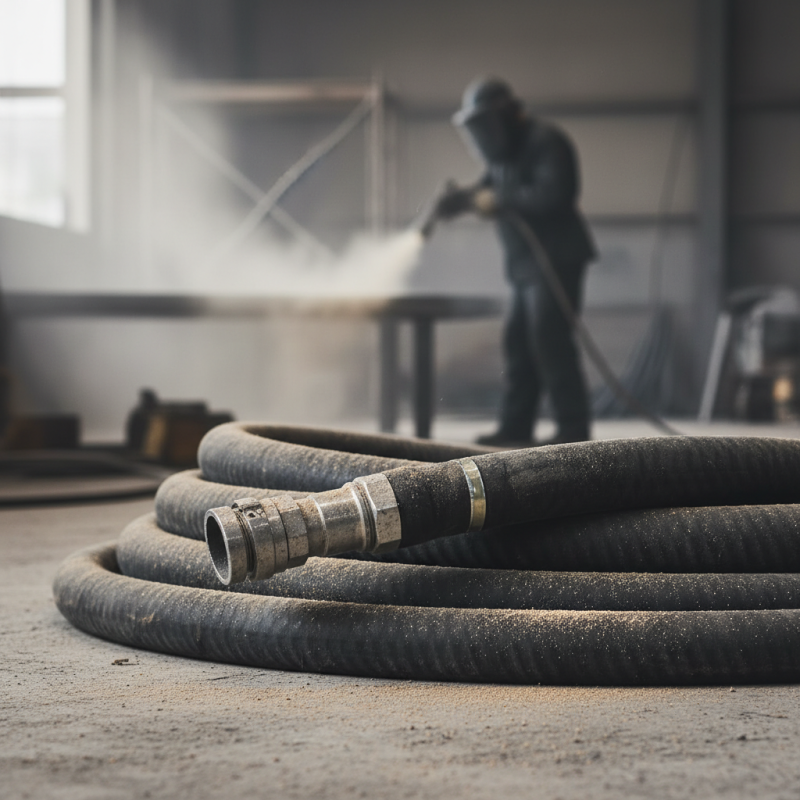
A sandblast rubber hose is a specialized tool used for sandblasting applications. This type of hose is designed to withstand high pressure and abrasive materials. It typically features a thick inner layer made of rubber, which provides durability. The outer layer is often reinforced to resist wear, ensuring a long lifespan.
These hoses come in various lengths and diameters, serving different needs. A standard sandblast hose usually connects to a sandblasting machine and directs the flow of abrasive material. Operators must ensure proper connections to avoid leaks. An overlooked aspect is the wear and tear on hoses. Regular inspection is necessary. A damaged hose can lead to safety risks and inefficiencies in the blasting process.
While sandblast hoses are effective, their maintenance requires attention. Operators sometimes neglect this, leading to performance issues. It's crucial to consider factors like usage frequency and environmental conditions. Proper storage and handling can extend the life of the hose. Reflection on maintenance practices may reveal areas for improvement that enhance overall efficiency.
Components of a Sandblast Rubber Hose
A sandblast rubber hose is a crucial tool in abrasive blasting processes. Understanding its components helps in effective usage and maintenance. Key parts include the outer layer, reinforcement, and the inner liner. The outer layer provides protection against wear and tear. It’s often made of sturdy rubber compounds.
Reinforcement is critical. It consists of layers of fabric or steel wire that enhance strength. This prevents kinks and bursts under pressure. The inner liner, made from a different type of rubber, resists abrasives. This layout ensures the efficiency and longevity of the hose.
Tips: Always check for damages before use. Look for small cracks or any signs of wear. Replace hoses that show these issues. Regular inspections extend the hose’s life. Ensure proper fittings are used to prevent leakage. Keep your workspace clean to minimize unnecessary hose wear. This can be easy but is often overlooked. Small efforts yield better results.
How Sandblast Rubber Hoses Function: A Step-by-Step Guide
Sandblast rubber hoses play a crucial role in various industrial applications. They are designed to transport abrasive materials at high velocity. A typical sandblast hose has a tough outer layer that can withstand harsh conditions. The inner lining is created to handle materials like sand or other abrasives without rupturing.
When using a sandblast hose, air is compressed and pushed through the hose. The abrasive material is mixed with the air before it exits the nozzle. This mixture travels at high speed, effectively stripping away surfaces. Proper handling is essential; a small error can lead to equipment failure. Ensuring that connections are secure can prevent costly issues in the long term.
Maintaining the hose is equally important. Regular inspections can help identify wear and tear. Look for cracks in the outer layer. These imperfections are a sign that the hose might fail soon. If neglected, this can result in dangerous situations and workflow disruptions. It's wise to replace hoses before they show obvious signs of damage. Thus, understanding how sandblast hoses function aids in maximizing safety and efficiency in the workplace.
Applications of Sandblast Rubber Hoses in Various Industries
Sandblast rubber hoses are crucial in various industries, particularly in construction, manufacturing, and automotive sectors. These hoses are designed to withstand high pressure and abrasive materials. In construction, for instance, they are used to clear surfaces and prepare areas for painting or coating. According to recent industry reports, the global demand for sandblast rubber hoses is projected to grow by 6% annually over the next five years. This reflects the increasing emphasis on equipment efficiency and surface preparation standards.
In manufacturing, sandblast hoses facilitate surface cleaning and smoothing. They help in removing contaminants from metal parts. Abrasive blasting enhances adhesion for coatings. A study indicated that nearly 40% of manufacturers face challenges with hose durability. This suggests a need for better quality assurance and material innovation in hose production.
In the automotive sector, sandblast hoses assist in preparing car frames for painting. Proper use can reduce paint failures. Yet, inadequate maintenance can lead to hose failures, impacting overall productivity. Workers often underestimate the importance of inspecting hoses before use. Awareness of this issue is critical to avoid costly downtime.
Maintenance Tips for Sandblast Rubber Hoses
Sandblast rubber hoses are essential in many industrial applications. Proper maintenance of these hoses can significantly extend their lifespan and ensure safety. Regular inspections are crucial. Look for signs of wear, such as cracks or abrasions. Research indicates that about 30% of hose failures are due to improper maintenance.
Cleaning is another vital aspect. Sand and debris can accumulate inside hoses. A clear path ensures efficient operation. Use compressed air to blow out any particles. This practice not only improves performance but also reduces the risk of blockages. It’s easy to overlook this, yet the impact is profound.
Storage is equally important. Hoses should be kept away from direct sunlight, which can degrade rubber. Keep them coiled properly to avoid kinks. A study highlights that improper storage can decrease hose lifespan by up to 50%. These steps may seem minor, but they are fundamental in maintaining the integrity of sandblast rubber hoses. Regular attention can prevent costly replacements and enhance safety in the workplace.